
Walk into a well-designed optical store, and something feels right.
The glasses are easy to see. The shelves look neat. The lighting brings out the details in each frame. Even before you notice the store’s name, you get a sense of its style.
Now picture a different store.
The glasses may be just as good, but they’re packed onto plain racks. Colors clash. Signs compete for attention. Nothing seems to connect.
Would you remember that store a week later?
Maybe. But it would have a harder job making an impression.
That’s where eyewear display design comes in.
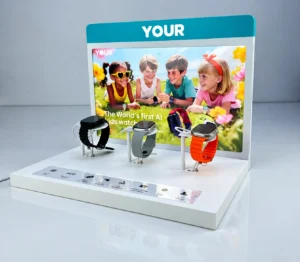
A display stand does more than hold glasses. It helps shape how customers see a brand, what they remember about it, and how they feel while shopping.
For optical retailers and eyewear brands, this matters. Customers often compare several stores before buying. A clear, steady brand image can help one store feel more familiar than another.
And here’s the good news: building that image doesn’t always require a full store redesign.
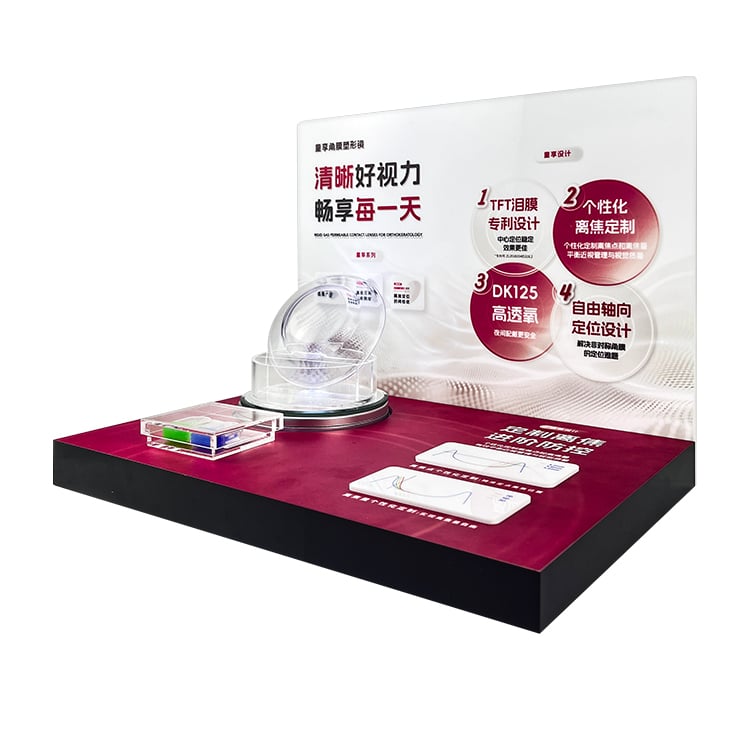
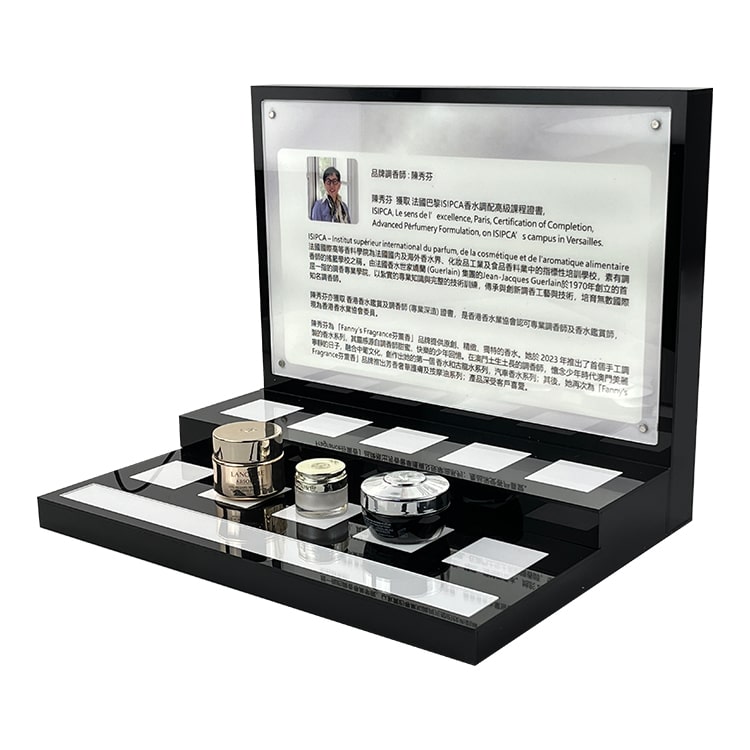
Thoughtful product displays, well-planned layouts, and custom acrylic eyewear display stands can all play a part.
Let’s look at how.
Why Does Brand Recognition Matter in an Optical Store?
Think about a store you know well.
You may remember its colors, logo, lighting, or the way products are arranged. You might even recognize it from a photo with the store name hidden.
That’s brand recognition.
It happens when customers can identify a business through familiar visual details and past experiences.
In optical retail, brand recognition matters because glasses are both practical and personal.
People need eyewear to see well, protect their eyes, or support daily tasks. But they also care about how frames look on their faces.
A pair of glasses can feel bold, classic, playful, or refined.
The store where customers discover those glasses becomes part of the experience.
A premium eyewear boutique may want to feel calm and exclusive. A family optical store may prefer a warm, friendly atmosphere. A fashion-focused sunglasses shop might use bright colors and striking displays.
None of these styles is wrong.
The key is consistency.
When the displays, colors, and store layout support the same brand message, customers have more visual clues to remember.
A strong display won’t create brand loyalty by itself. Product quality, service, and price still matter. But it can help make the brand easier to recognize.
First Impressions Start Before Customers Try On Glasses
Most customers notice the store environment before they touch a product.
They see the window display, the front counter, and the rows of frames along the walls.
These details create an early impression.
Imagine a luxury eyewear brand presenting its latest collection on scratched, crowded stands.
The frames may be expensive, but the presentation sends a different message.
Now imagine the same collection on clean acrylic stands, with enough space around each pair and soft lighting that reveals the frame details.
The products haven’t changed.
The setting has.
This is why eyewear display design deserves attention during store planning.
A display can support the brand’s visual identity through its shape, color, finish, and placement.
For example, a minimalist brand might use transparent acrylic holders and simple geometric forms.
A fashion eyewear brand may prefer bold display bases, printed graphics, or unusual shapes.
The goal isn’t to make every store look expensive.
It’s to make the store look like itself.
That sounds simple, doesn’t it? Yet it’s easy to lose that identity when display fixtures are bought from different suppliers without a clear plan.
Can an Acrylic Eyewear Display Stand Help Customers Remember Your Brand?
Yes, but not because acrylic has some special power to make people remember things.
Its value comes from how it supports a clear and consistent product presentation.
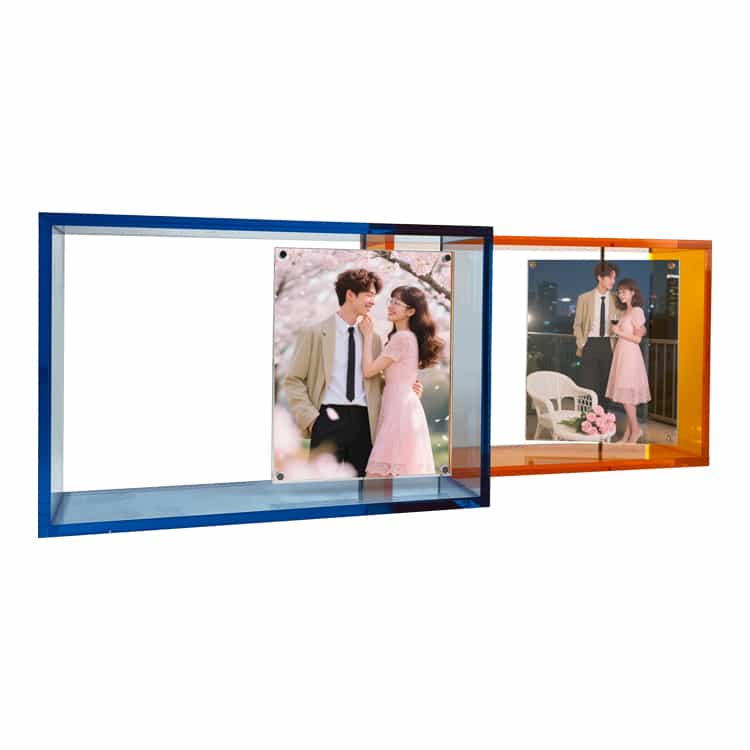
Acrylic is a popular material for retail displays because it can be shaped into many forms and produced in different colors and finishes.
Clear acrylic has another useful feature: it doesn’t visually compete with the eyewear.
Customers can focus on the frame shape, lens color, and small design details.
For optical stores that sell many styles, this can be helpful.
Clear acrylic keeps attention on the product
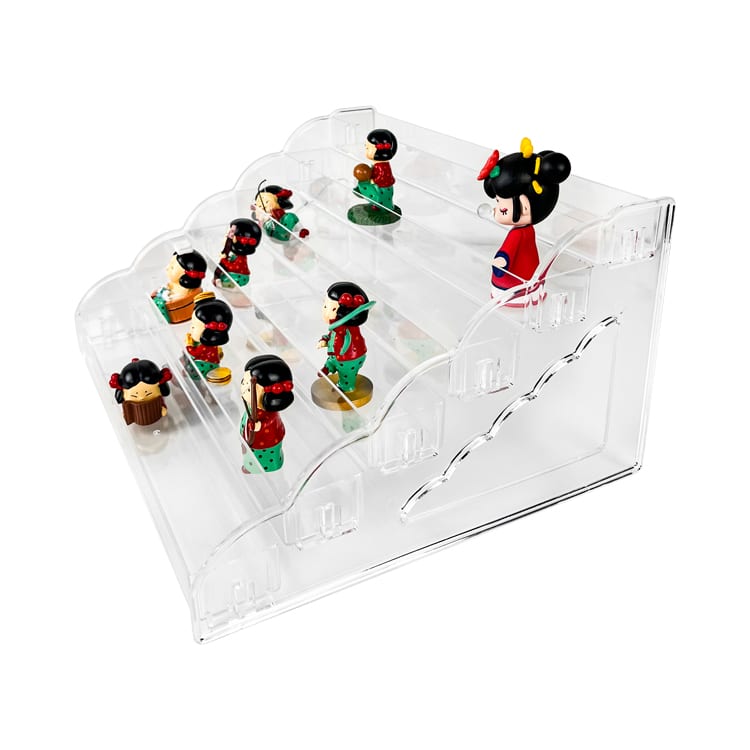
A transparent acrylic eyewear display stand creates a light, open appearance.
It works well with metal frames, acetate glasses, and sunglasses.
Because the holder is less noticeable, the eyewear can remain the main visual feature.
This is useful for brands that want a clean, modern retail style.
Colored acrylic can support brand identity
Not every display needs to be clear.
Acrylic is also available in solid, translucent, and frosted finishes.
A brand with a strong color identity might use that color on the display base while keeping the eyewear holders transparent.
This creates a visual connection without overwhelming the products.
For example, a brand that uses deep blue in its packaging might repeat that color in selected display elements.
Customers then see a familiar color across several touchpoints.
Custom shapes add personality
Acrylic can be cut, bent, bonded, and polished into different structures.
This gives designers room to create display stands that suit a particular brand style.
A simple curved holder may feel softer and more approachable.
A sharp geometric base may suit a modern technology-inspired eyewear collection.
Of course, appearance must never come at the cost of function.
The stand still needs to support the glasses, remain stable, and allow customers to handle the products.
Consistent Colors and Materials Create a Familiar Store Identity
Here’s a small design secret: people don’t need to see a logo everywhere to recognize a brand.
Repeated visual details can do much of the work.
Think about the colors used on the walls, product cards, display bases, and shopping bags.
When those elements feel connected, the store develops a recognizable look.
The same idea applies to materials.
A store that uses clear acrylic, warm wood, and soft lighting can repeat that combination across several display areas.
The result feels planned rather than random.
For eyewear retailers, consistency can be built through:
- Display stand colors and finishes
- Holder shapes and base designs
- Logo placement and graphic style
- Product label size and typography
- Lighting color and brightness
- Spacing between displayed frames
You don’t need to repeat every detail.
In fact, too much repetition can make a store feel dull.
A better approach is to establish a few recognizable design elements and use them throughout the space.
This gives each product collection room to feel different while keeping the store identity intact.
Store Layout Tells Customers What Kind of Brand You Are
A display stand doesn’t work alone.
Its location matters just as much as its appearance.
Picture a store where every frame is placed at the same height, with no clear groups or featured collections.
Customers may have trouble knowing where to start.
Now picture a store with a clear layout.
New arrivals sit near the entrance. Premium frames have a dedicated display. Everyday optical glasses are arranged by style or function.
The shopping experience becomes easier to follow.
This is part of eyewear visual merchandising—the way products are arranged and presented to customers.
Use display zones to tell a clear story
Different areas of the store can highlight different parts of the brand.
A fashion eyewear retailer might create separate zones for classic frames, bold styles, and seasonal sunglasses.
An optical store may group products by frame type, customer needs, or collection.
These zones help customers understand the product range.
They also give the store opportunities to repeat its brand colors, signs, and display style.
Give featured frames room to breathe
It’s tempting to show every available frame at once.
More products must mean more choices, right?
Not always.
When too many frames are placed close together, customers may find it harder to notice individual designs.
A featured acrylic eyewear display stand can create a clear focal point.
For example, a small countertop display might hold three or four new frames rather than an entire collection.
This gives each pair more visual space.
It also helps store staff direct attention to selected products.
Keep customer movement in mind
A display may look beautiful in a design drawing but become awkward once customers start walking around it.
Avoid placing large stands where they block aisles or make it hard to reach products.
Make sure customers can see and remove glasses without disturbing nearby displays.
A good store layout should feel natural.
Customers shouldn’t need to solve a puzzle to find the sunglasses section.
Lighting: The Quiet Partner in Eyewear Display Design
Lighting doesn’t usually get the same attention as display stands.
Yet it can change how a frame looks.
A black acetate frame may appear flat under poor lighting. A polished metal frame may show unwanted glare under a harsh spotlight.
Good lighting helps customers see materials, colors, and details more clearly.
For more guidance on retail lighting, the Illuminating Engineering Society (IES) provides professional resources on lighting quality, visual comfort, and lighting design.
It also contributes to the mood of the store.
Match lighting to the brand atmosphere
A luxury eyewear boutique may use soft, controlled lighting to create a calm setting.
A modern optical store might prefer brighter, even lighting that helps customers compare products.
The right choice depends on the store concept.
What’s important is that the lighting supports both the brand image and the customer’s need to inspect the glasses.
Be careful with reflections
Eyewear has reflective surfaces.
So does polished acrylic.
Place a strong light in the wrong position, and reflections may distract from the product.
Before finalizing the display layout, test the lighting with actual frames.
Check the view from normal customer positions.
Can customers see the lens color?
Are reflections hiding the frame details?
Does the acrylic create bright spots that pull attention away from the eyewear?
Small changes in light placement can make a noticeable difference.
What about LED acrylic eyewear displays?
LED lighting can be added to some custom acrylic display designs.
It may help highlight featured products or create a distinct presentation area.
However, lighting should be used with care.
Too much brightness can make the display uncomfortable to view.
For eyewear, the goal is to reveal the product—not turn the stand into a light show.
Custom Eyewear Displays Make Brand Details More Memorable
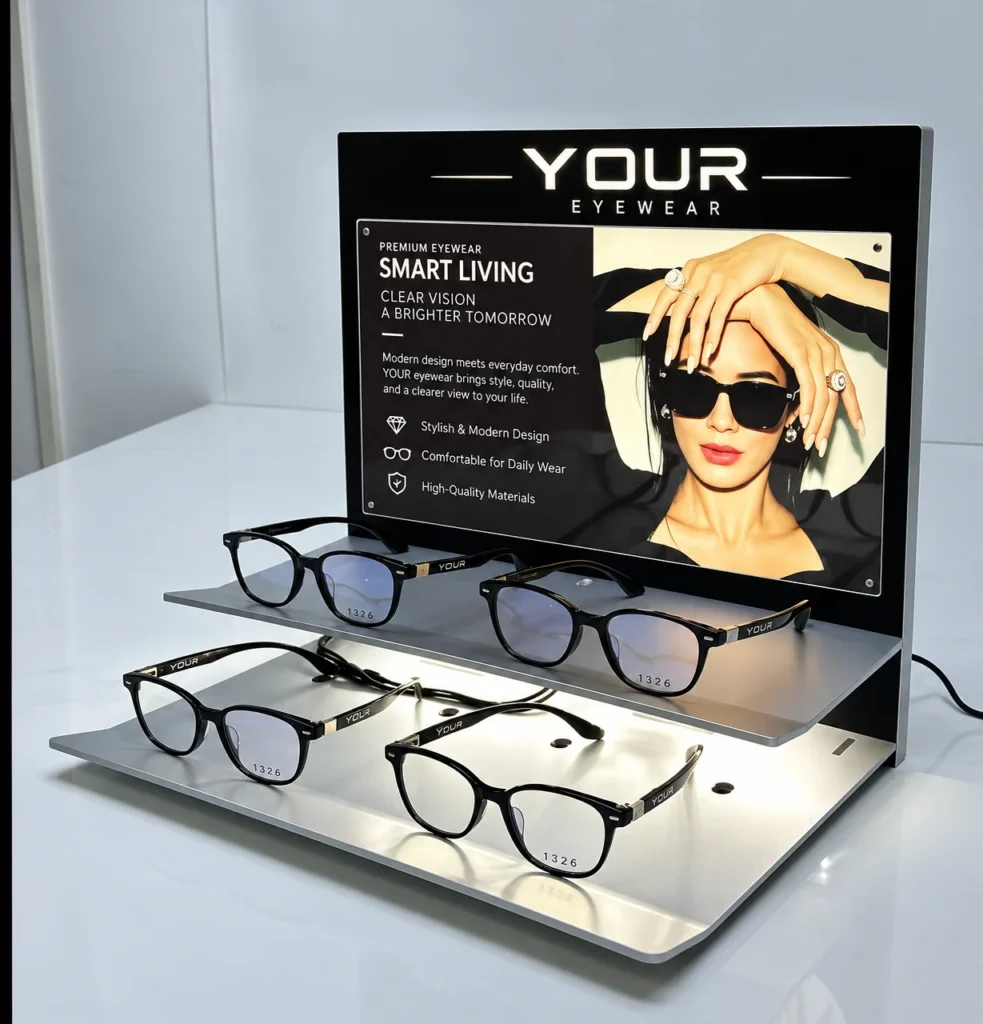
Standard display stands can work well for many stores.
They’re often practical, easy to source, and suitable for basic product presentation.
But they may not reflect a brand’s specific style.
That’s where custom eyewear displays become useful.
A custom design can bring together the store’s visual identity and its product needs.
For example, a brand may request a display with a specific base color, holder shape, or logo position.
The stand can also be designed around the eyewear collection.
This matters because frame sizes vary.
Oversized sunglasses may need wider spacing. Small optical frames may need compact holders.
A custom design allows these details to be considered before production.
Logo placement should feel natural
Adding a logo is one way to connect a display stand to a brand.
But bigger isn’t always better.
A large logo can compete with the eyewear, especially on a small countertop display.
A subtle printed logo on the base may be enough.
Other options may include engraved details or a separate branded panel, depending on the design and material.
The goal is to make the brand visible without making the product harder to see.
Choose finishes that match the brand
A polished clear acrylic stand can create a clean, bright look.
A frosted finish may feel softer.
Colored acrylic can introduce a stronger visual element.
These choices should reflect the store’s design language.
They should also suit the products being displayed.
A display for delicate rimless glasses may need a different visual approach from one made for bold fashion sunglasses.
Design for long-term use
Brand recognition grows through repeated exposure.
That means display consistency matters over time.
For stores that update their collections often, modular or replaceable display parts may be useful.
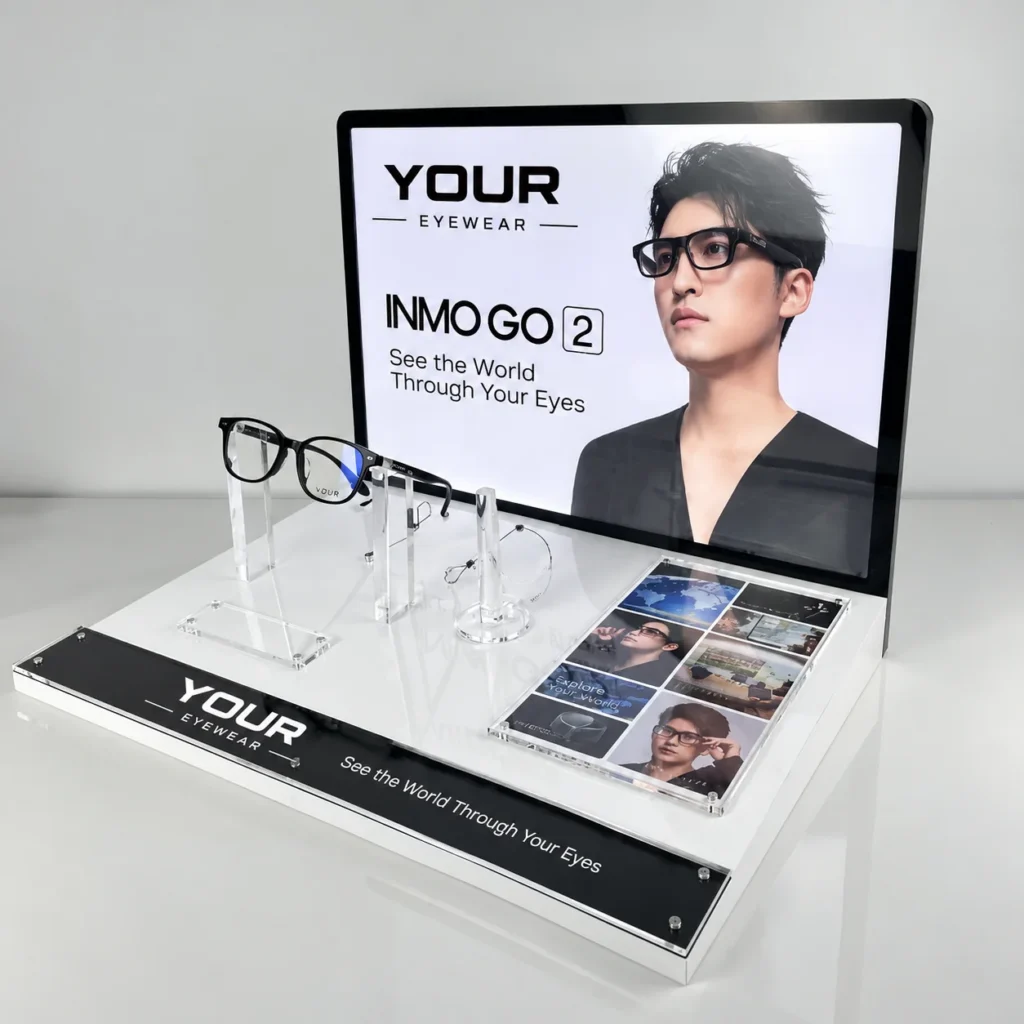
A retailer could keep the same branded base while changing holders or product panels.
This can help maintain a familiar look as new collections arrive.
It also makes display planning easier when the product range changes.
Don’t Forget the Customer Experience
A beautiful display is only part of the story.
Customers need to interact with it.
They want to pick up glasses, try them on, compare styles, and return them without trouble.
If a stand makes these actions difficult, the shopping experience can suffer.
Imagine trying to remove a pair of sunglasses from a tightly packed rack.
You lift one pair, and two others move with it.
Not exactly the smooth experience a premium brand wants to create.
This is why function matters as much as appearance.
A well-designed acrylic eyewear display should offer suitable spacing, stable support, and easy access.
For stores with high customer traffic, durability and cleaning also matter.
Acrylic surfaces can show fingerprints and scratches, so displays should be cleaned with suitable products and soft cloths.
Regular care helps keep the presentation neat.
The customer may never think about these details.
That’s fine.
Good display design often works quietly in the background.
It lets people focus on finding glasses they like.
Why Retail Chains Need Consistent Eyewear Display Systems
Brand recognition becomes more challenging when a retailer operates several stores.
Different locations may have different floor plans, lighting conditions, and product ranges.
Yet customers should still recognize the brand.
A coordinated display system can help.
For example, a retail chain might use the same acrylic display base design across its stores.
The number of holders may change to suit each location, but the colors, logo style, and general appearance remain familiar.
This creates visual consistency without forcing every store into the same layout.
Standard designs can simplify purchasing
For multi-store projects, repeatable display designs may also make purchasing easier.
Buyers can define common specifications for materials, dimensions, finishes, and packaging.
These details help suppliers produce consistent batches.
They also make it easier to replace damaged parts or add new displays later.
Leave room for local needs
Consistency doesn’t mean every store must look identical.
A small city-center boutique may need compact countertop displays.
A larger suburban optical store may have room for freestanding units.
Both can use the same design language.
The important part is keeping the brand recognizable while allowing the layout to fit the space.
How Can Optical Stores Measure the Value of Better Display Design?
It’s easy to say that a new display looks better.
But how do you know whether it helps the store?
Brand recognition is not measured by appearance alone.
Retailers can look at customer feedback and shopping behavior to understand whether a display change is useful.
For example, store staff can ask customers whether they noticed a featured collection.
They can also observe how often shoppers approach a new display or pick up the products.
Other useful measures may include:
- Customer recall of featured collections
- Time spent exploring a display area
- Product interaction and try-on frequency
- Sales performance of featured frames
- Feedback from store staff
- Consistency of presentation across locations
These measures don’t prove that display design alone caused a change.
Price, product selection, promotions, and staff service can also influence results.
Still, they provide useful information.
A retailer could test a new display in a limited number of stores before introducing it across the full network.
This allows the team to collect feedback and adjust the design.
Sometimes, the most valuable insight is surprisingly simple.
Perhaps customers find one holder hard to use. Perhaps a sign is too small to read.
Fixing these details can improve the experience without changing the entire display system.
Common Eyewear Display Mistakes That Can Weaken Brand Identity
Even stores with strong products can make display choices that work against their brand image.
One common issue is using too many unrelated fixture styles.
A store might have wooden racks in one corner, metal stands in another, and bright plastic holders near the counter.
Each fixture may work on its own, but together they can create a scattered appearance.
Another mistake is placing logos everywhere.
Branding matters, but too many logos can make a display feel crowded.
It’s often better to use a few clear brand elements and let the eyewear remain visible.
Poor product spacing is another problem.
When frames overlap, customers may struggle to compare styles.
This can also make a premium collection feel less carefully presented.
Finally, some retailers forget about maintenance.
A scratched or dusty acrylic display can weaken an otherwise polished store appearance.
The solution isn’t complicated.
Create a clear display style, use it with care, and review the store presentation on a regular basis.
Small details add up.
How to Plan a Branded Acrylic Eyewear Display Project
If you’re planning custom displays for an optical store or eyewear brand, start with the brand identity.
What should customers feel when they enter the store?
Calm? Energy? Luxury? A sense of fun?
Then look at the products.
Are you displaying optical frames, sunglasses, children’s eyewear, or several collections?
The product range affects holder design, spacing, and display size.
Next, review the store environment.
Consider the available counter space, wall areas, lighting, and customer movement.
With these details in mind, you can begin discussing the display structure.
A custom acrylic eyewear display manufacturer may help assess the design, material thickness, support points, logo methods, and production requirements.
Before moving to bulk production, it’s wise to test a physical sample.
Check the frame fit, stability, finish, and overall appearance.
For additional information about transparent display materials, see How Transparent Acrylic Displays Keep the Focus on Your Eyewear.
You can also explore Custom Eyewear Display Solutions for more ideas about branded eyewear presentation.
The goal is to create a display that looks right, works well, and fits the brand’s retail plans.
Final Thoughts: A Display Stand Can Say More Than You Think
Brand recognition isn’t built by a logo alone.
It comes from the details customers see again and again.
The store colors. The lighting. The way products are arranged. The materials used in the displays.
Together, these elements create a visual identity.
Eyewear display design supports that identity by giving products a consistent, recognizable setting.
Clear acrylic stands can keep attention on the frames. Custom colors and shapes can reflect a brand’s personality. Thoughtful layouts can make shopping easier and more enjoyable.
And when those details work together, the store feels more complete.
Not louder. Not more complicated.
Just more recognizable.
For optical retailers and eyewear brands, that’s a useful goal.
Planning a custom acrylic eyewear display for your store or brand?
At Yueyou Display, you can share your eyewear types, store layout, design references, and branding needs to discuss a custom acrylic display solution.
Whether you’re planning a small countertop stand or a coordinated display program for several stores, a clear design brief is a good place to begin.
Frequently Asked Questions (FAQs)
1. How does eyewear display design improve brand recognition in optical stores?
Eyewear display design helps create a consistent visual identity through colors, materials, shapes, and product presentation. When these details match the store’s branding, customers have more visual cues to recognize and remember the business. Good displays also make eyewear easier to view and explore.
2. Are acrylic eyewear display stands suitable for luxury optical stores?
Yes. Clear acrylic eyewear display stands can create a clean, modern presentation that suits many luxury optical stores. Polished finishes, careful product spacing, and subtle branding can support a premium appearance. The final result depends on the overall store design and the quality of the display.
3. Can custom eyewear display stands include brand logos and colors?
Yes. Custom acrylic eyewear display stands can be made with colored materials, printed graphics, engraved details, or branded panels, depending on the design. Logo size and placement should be planned carefully so the branding remains visible without distracting from the glasses.
4. What is the best eyewear display layout for a small optical store?
A small optical store may benefit from compact countertop displays, wall-mounted holders, and clearly defined product zones. The best layout depends on the store dimensions, eyewear collection, and customer movement. Keeping displays organized and easy to access is more important than showing the maximum number of frames.
5. How can optical retail chains maintain consistent eyewear displays across multiple stores?
Optical retail chains can use standardized display designs with common materials, colors, logo positions, and manufacturing specifications. Display sizes and configurations can still vary by location. Working from approved drawings and physical samples helps maintain a consistent appearance across different stores.